Choosing shelving sounds like a simple decision until you’re standing in a warehouse, storeroom, or garage trying to figure out whether your storage needs will look the same in a year. That’s really what the adjustable vs fixed shelving question comes down to: how much do you expect your storage requirements to change, and how much are you willing to pay for the flexibility to handle it.
Both shelving types have a place. Here’s how they compare, and how to decide which one fits your space.
What Is Adjustable Shelving?
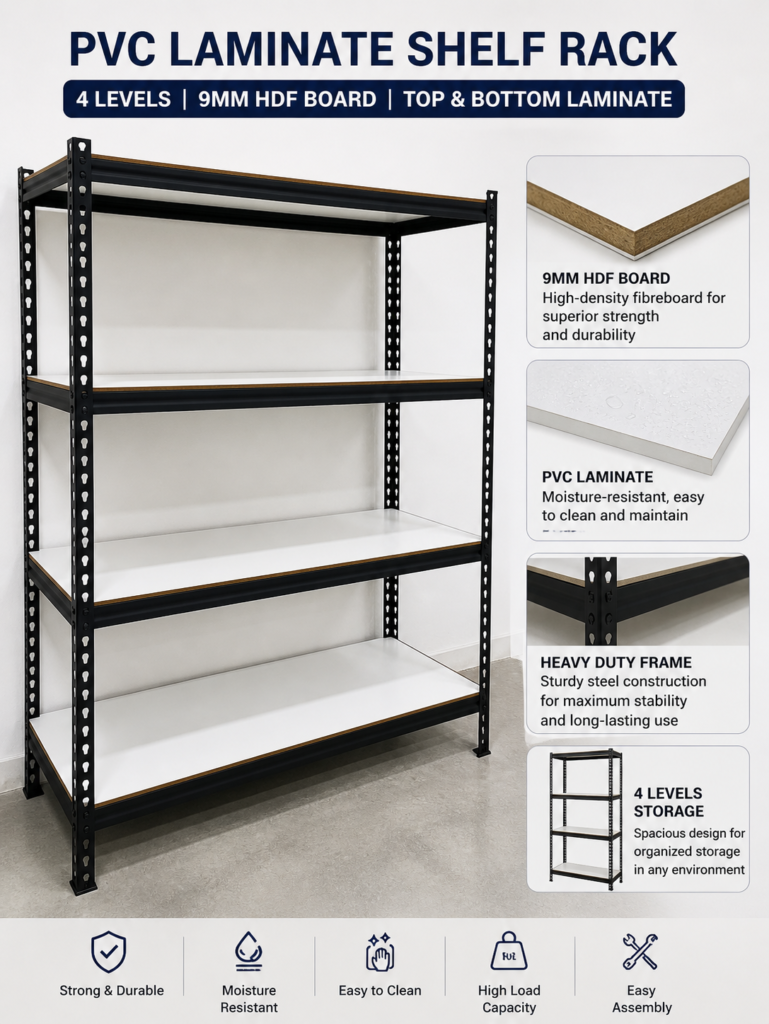
Adjustable shelving uses a slotted frame or peg system that lets you move shelves up or down to different heights. Most modern boltless racking systems fall into this category; the interlocking beam-and-slot design means shelf height can be changed in minutes without tools, bolts, or welding.
What Is Fixed Shelving?
Fixed shelving is built with shelves permanently set at a specific height, either welded, bolted, or otherwise secured in place during assembly. Once installed, the shelf spacing doesn’t change unless the unit is disassembled or rebuilt. Fixed shelving is common in retail displays, built-in storage units, and some heavy industrial racking where load stability takes priority over flexibility.
Adjustable Shelving: Pros and Cons
Pros
- Reconfigurable in minutes shelf height can be changed to fit new inventory sizes without special tools, similar to the quick-assembly boltless design used across ASC Racking’s shop
- Scales with your business as product mix or storage volume changes, shelving adapts instead of becoming obsolete
- Space-efficient shelves can be spaced tightly for small items or widened for bulkier stock, maximizing every level. Read more on why increasing shelf height can significantly boost storage capacity
- Easier to expand additional levels or units can often be added to an existing frame
Cons
- Slightly less rigid than a fully welded fixed structure, though quality boltless systems close this gap significantly
- Requires occasional rechecking that shelf pins or beams are properly seated after adjustment
Fixed Shelving: Pros and Cons
Pros
- Maximum structural stability permanently secured shelves don’t shift, which suits constant heavy loads
- Simple, low-maintenance design no moving parts to inspect or reseat
- Ideal for uniform inventory works well when the same size items will be stored long-term
Cons
- No flexibility once installed, shelf spacing can’t be changed without disassembly
- Costly to modify adapting fixed shelving to new inventory often means buying new units
- Wastes space with changing stock fixed intervals rarely match every product size, leading to unused vertical space
Adjustable vs Fixed Shelving: Side-by-Side Comparison
| Factor | Adjustable Shelving | Fixed Shelving |
| Reconfiguration | Minutes, no tools required | Requires disassembly or rebuild |
| Best for | Changing inventory, growing businesses | Stable, uniform, heavy loads |
| Installation | Fast, boltless assembly | Often bolted or welded |
| Long-term cost | Lower one system adapts over time | Higher replacement needed as needs change |
| Space efficiency | High shelf spacing matches item size | Lower fixed gaps often waste space |
Which Should You Choose?
Choose Adjustable Shelving If:
- Your inventory or product sizes change seasonally or frequently
- You’re setting up a growing business and expect storage needs to scale
- You want a system that can be reconfigured without buying new units, like the boltless storage racks used across homes, offices, and warehouses
Choose Fixed Shelving If:
- You’re storing the exact same item sizes long-term with no expected change
- Maximum rigidity for constant heavy loads is the top priority
- The shelving is part of a permanent build-out, such as a retail display or built-in unit
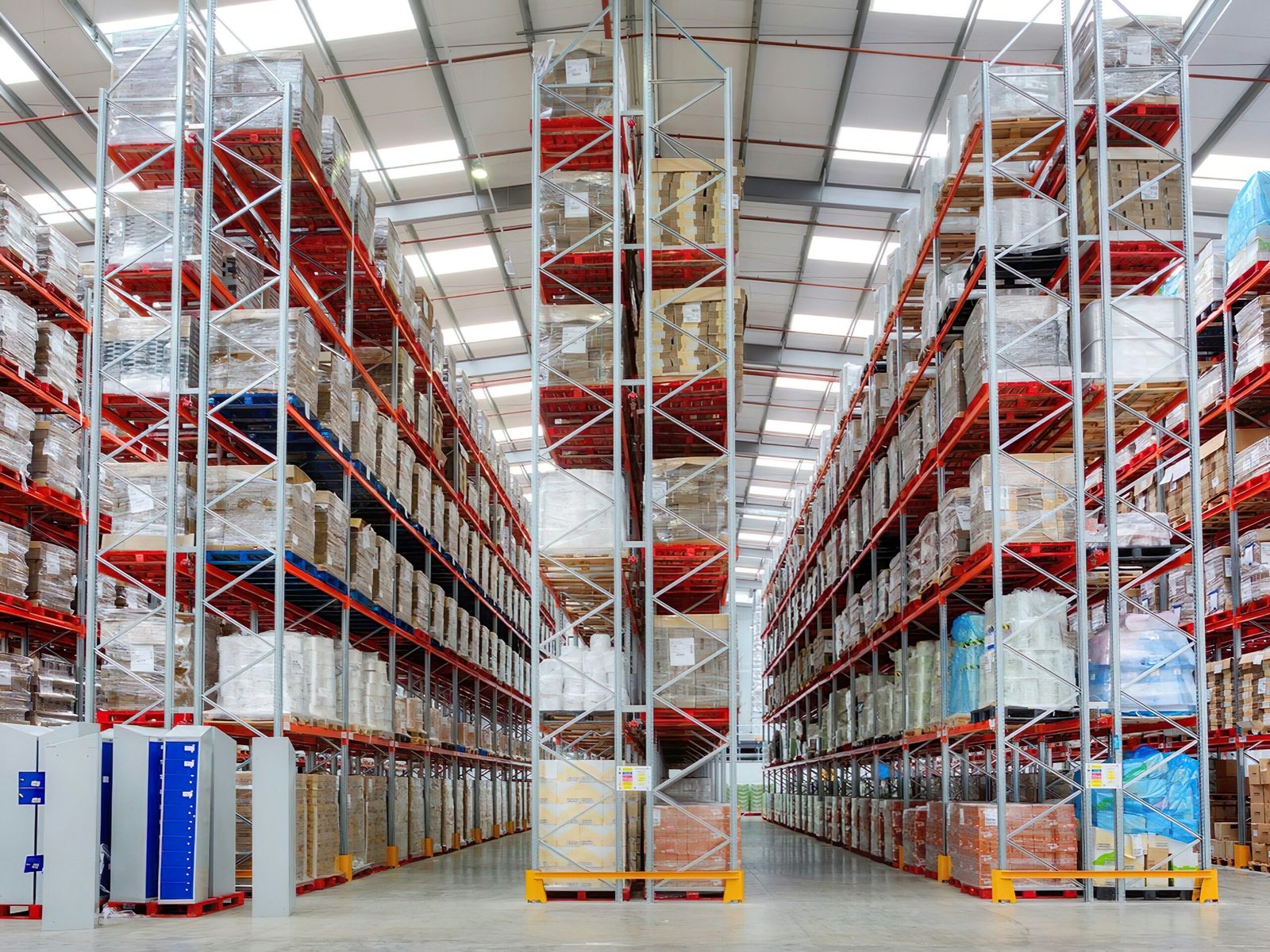
For most warehouses, retail backrooms, and fulfillment operations, adjustable shelving wins on flexibility and long-term value which is why boltless, height-adjustable racking has become the standard choice across Singapore’s storage industry. If your setup includes a mix of bulky and lightweight goods, a heavy-duty metal racking system with adjustable levels often gives you the best of both worlds: strength where you need it, flexibility everywhere else.
Durability Matters Either Way
Whichever type you choose, the materials and finish determine how long your shelving lasts. Look for an epoxy powder-coated finish, which resists rust, moisture, and general wear extending usable life by 30–50% in humid environments compared to standard painted shelving.
Get Help Choosing the Right Shelving System
Still not sure which option fits your space? At ASC Racking, we design custom storage racking systems for homes, offices, and warehouses across Singapore, with free delivery and installation included. Browse our full range in the shop, or contact us for a free consultation tailored to your storage needs.