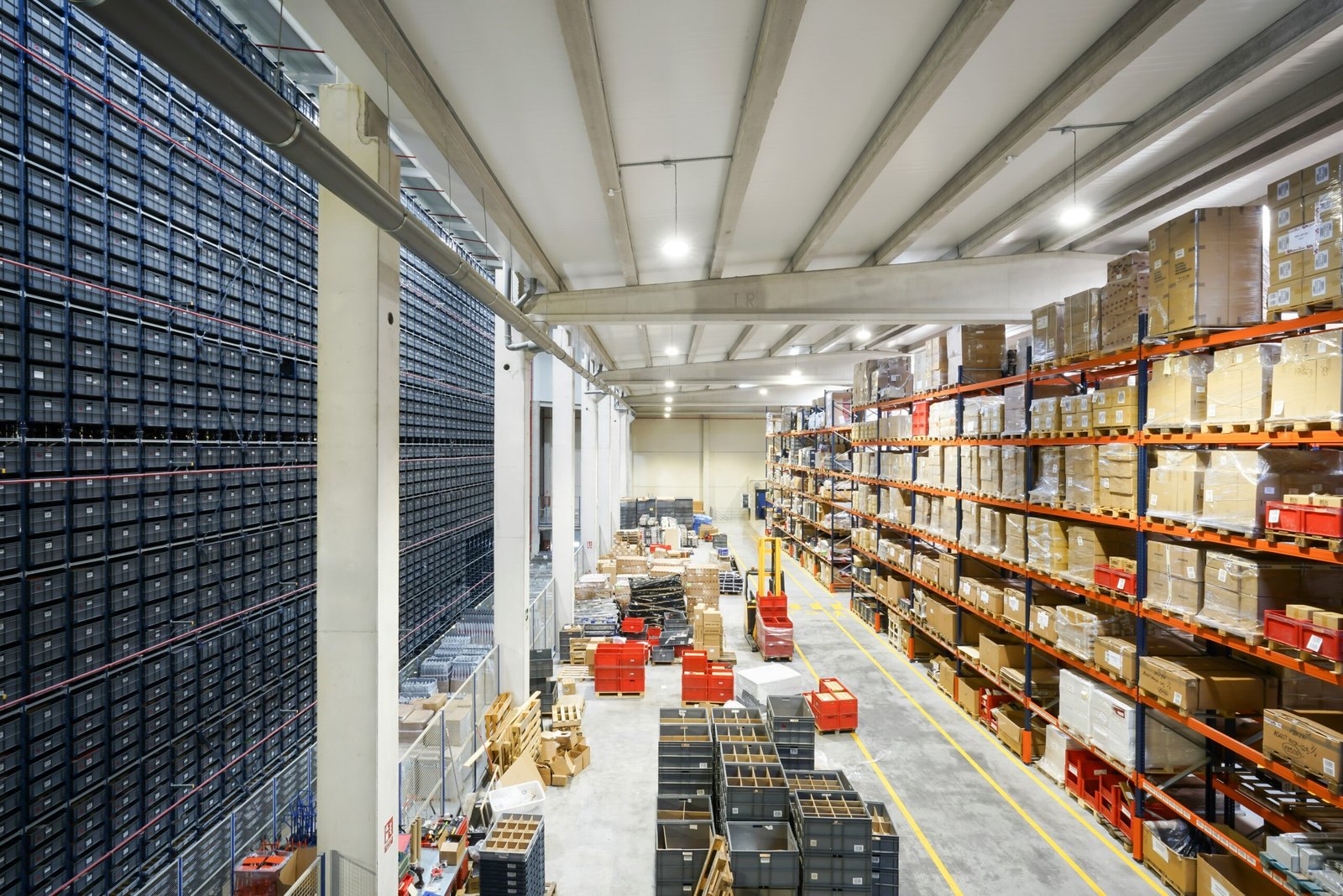
When a warehouse starts running out of space, the instinct is usually to look for a bigger unit. But before signing a bigger lease, it’s worth asking a simpler question: are you actually using the space you already have? Most warehouses have far more unused capacity above head height than they realize. Increasing your rack height is one of the most cost-effective ways to unlock that capacity; often without moving a single wall.
Floor Space Is Fixed. Cubic Space Isn’t.
Warehouse rent is priced by the square foot, but storage is really a cubic problem; length, width, and height. A 2,000 sq ft warehouse with 1.84m racking and one with 2.76m racking have the exact same floor footprint, but the second can hold noticeably more stock in the same rental space. Every extra tier you add is, in effect, free floor space stacked on top of space you’re already paying for.
This is why height is usually the first lever warehouse operators pull when they need more capacity without expanding their footprint. It’s cheaper than relocating, faster than building an extension, and doesn’t disrupt operations the way a move does.
The Math Behind Taller Racking
The relationship is straightforward: going from a standard 1840mm rack to a 2440mm rack doesn’t just add “a bit more room”; it typically adds an entire extra shelf level, depending on your item height. For a warehouse running four-level racking throughout, converting to taller units that fit a fifth level can mean roughly 20–25% more storage positions across the same floor area, without adding a single new bay.
Multiply that across dozens or hundreds of racking runs, and the numbers add up fast; which is exactly why height increases show up so often in warehouse capacity planning, ahead of options like adding new racking rows or expanding the building.
Standard vs Increased Rack Heights
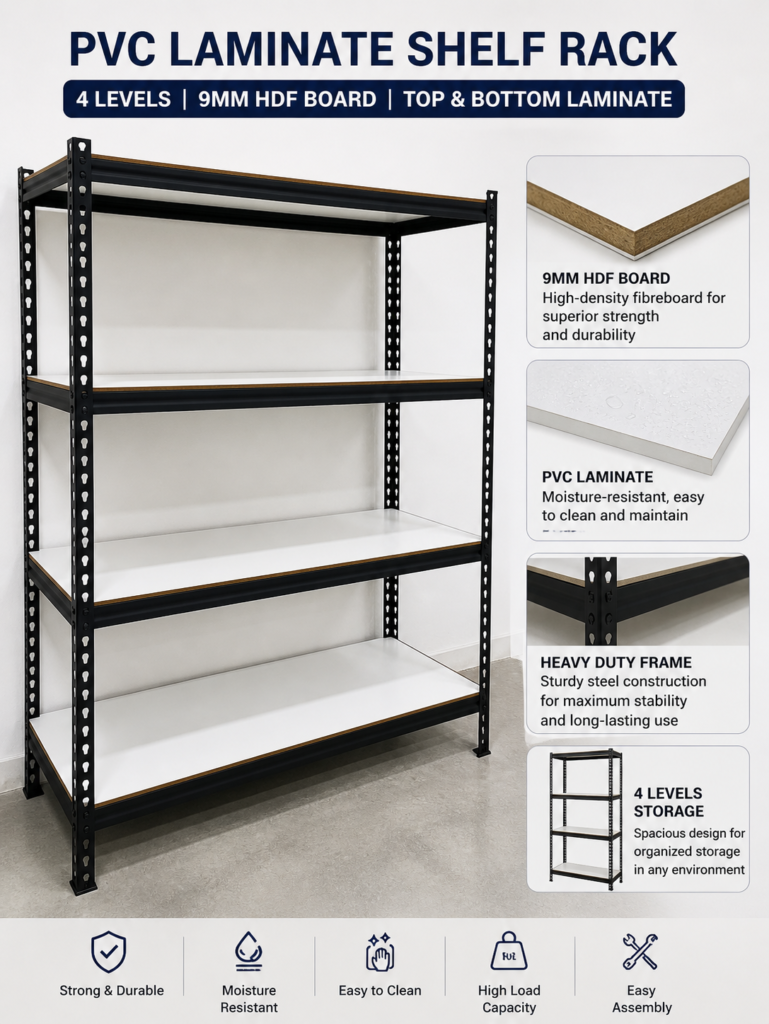
Boltless racking typically comes in a standard height; around 1840mm; with taller options usually available at 2160mm, 2440mm, and 2760mm. Each has a different trade-off:
Standard height (around 1840mm)
- Works well in spaces with lower ceilings or where every shelf needs to stay within easy hand-reach.
- Simple to load and unload without a ladder or reach equipment.
- Limits how much vertical capacity you can capture from the space.
Increased height (2160mm–2760mm and above)
- Adds meaningfully more storage capacity within the same footprint.
- Gives more flexibility to adjust shelf spacing for different item sizes.
- Requires a plan for reaching upper shelves safely; ladders, order pickers, or a clear reach strategy.
- Needs adequate ceiling clearance and a check against local fire/sprinkler regulations before installation.
Neither option is universally “better”; the right height depends on your ceiling clearance, the type of stock you’re storing, and how your team accesses inventory day to day.
What to Check Before You Go Taller
Before ordering taller racking, run through these:
- Ceiling clearance. Measure the actual clear height, not just the building height; account for lighting fixtures, ductwork, and sprinkler heads.
- Load capacity per level. Taller racks don’t automatically mean stronger racks; confirm the weight rating per shelf, especially for the upper tiers.
- Access equipment. Decide whether staff will need a ladder, step stool, or order picker to reach the top levels safely, and factor that into your workflow.
- Fire safety compliance. Many jurisdictions require minimum clearance between the top of your stock and sprinkler heads; check this before finalizing height.
- Floor loading. Taller, fully loaded racking puts more weight through a smaller footprint; confirm your floor can handle the load, particularly on upper storeys.
- Aisle width. If you’re introducing reach equipment to access taller racks, make sure aisle widths can accommodate it.
Why Boltless Racking Makes Height Changes Easier
One advantage of boltless racking systems is that they’re modular by design; shelf levels can be adjusted or added without welding, cutting, or specialist tools. That makes it realistic to start with a standard height and scale up later as storage needs grow, rather than committing to a fixed configuration from day one. It also means a height upgrade is usually a reconfiguration of what you already own, rather than a full replacement.
Getting the Height Right for Your Warehouse
There’s no single “correct” rack height; it depends on your ceiling, your stock, your team’s workflow, and your budget. What’s consistent is that most warehouses have more vertical capacity available than they’re currently using, and increasing rack height is one of the few upgrades that adds real storage without adding real estate.
Ready to Maximize Your Storage?
If you’re not sure whether your space can support taller racking, or which height makes sense for your stock and ceiling clearance, it’s worth getting a second opinion before you order. Contact ASC Racking for a free consultation, or browse our full range of boltless racking systems to see what fits your space.