Efficient storage is a critical part of warehouse operations, especially in land-scarce environments like Singapore. A well-planned warehouse racking system Singapore businesses rely on can significantly improve space utilisation, safety, and workflow efficiency. Whether you manage a warehouse, factory, retail stockroom, or even a home storage area, choosing the right racking system makes daily operations smoother and more cost-effective.
This guide explains what a warehouse racking system is, why it matters in Singapore, and how to design and maintain it for long-term performance.
What Is a Warehouse Racking System?
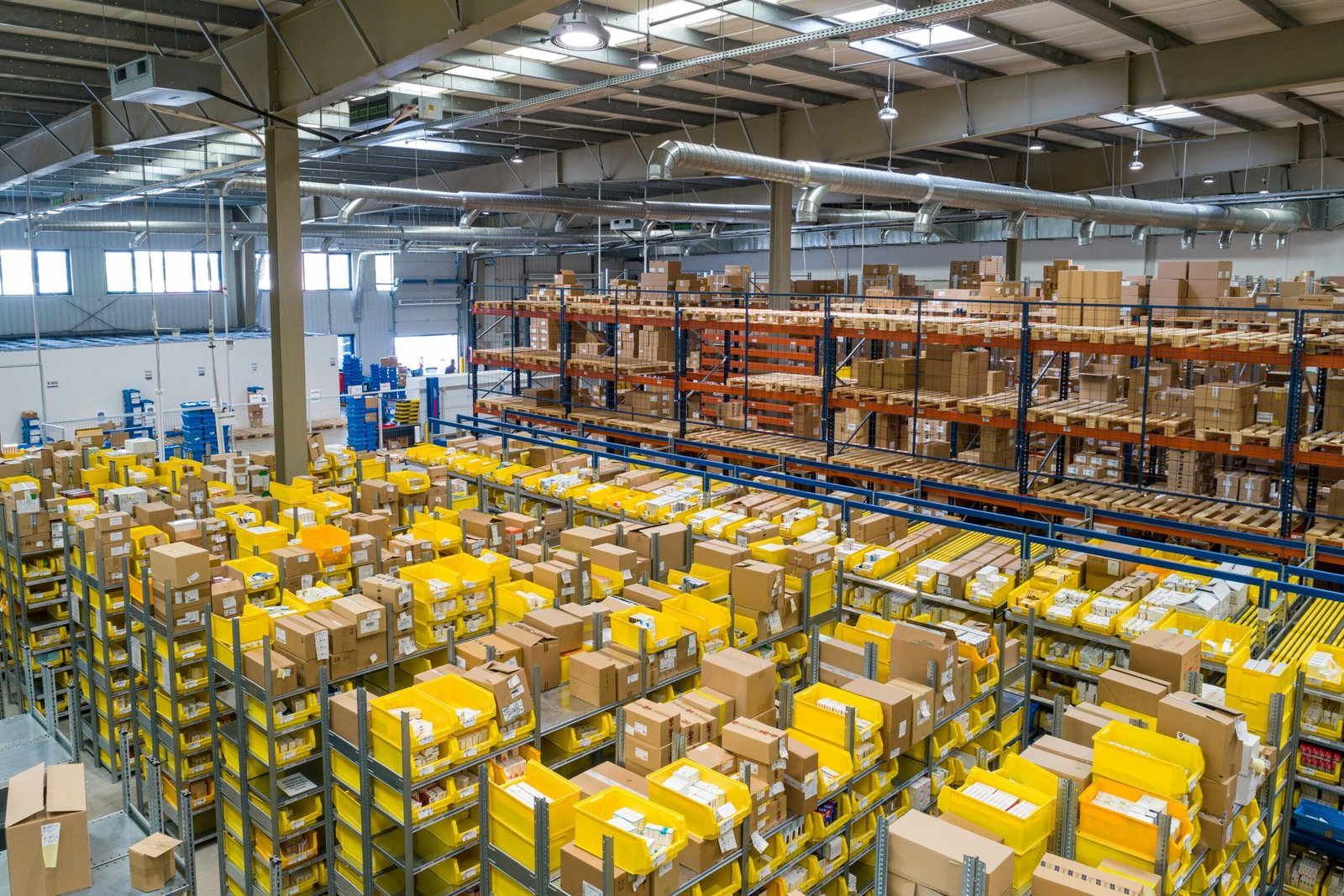
A warehouse racking system is a structured storage solution designed to store goods vertically and horizontally using durable storage racks. These systems allow warehouses to organise inventory efficiently while maximising available floor and ceiling space.
The main purpose of a warehouse racking system includes:
-
- Keeping goods organized and easy to access
-
- Supporting heavy or bulky items safely
-
- Improving inventory control and stock visibility
-
- Enhancing workplace safety and efficiency
In Singapore, warehouse racking systems are widely used across logistics hubs, manufacturing units, retail backrooms, and small business storage areas.
Why Warehouse Racking Systems Are Important in Singapore
Space optimisation is a major concern for warehouses and businesses in Singapore. Industrial space is limited and expensive, making vertical storage essential.
A properly designed warehouse racking system that Singapore operations depend on, offers several advantages:
-
- Better use of vertical space without expanding floor area
-
- Improved movement of goods and staff
-
- Reduced clutter and handling time
-
- Safer storage of heavy and high-volume inventory
For homeowners and small businesses, compact storage rack Singapore solutions also help keep garages, storerooms, and workshops well organised.
Common Types of Warehouse Racking Systems
Different storage needs require different racking solutions. Choosing the right type depends on load weight, inventory size, and usage frequency.
Boltless Racking Systems
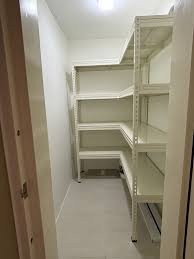
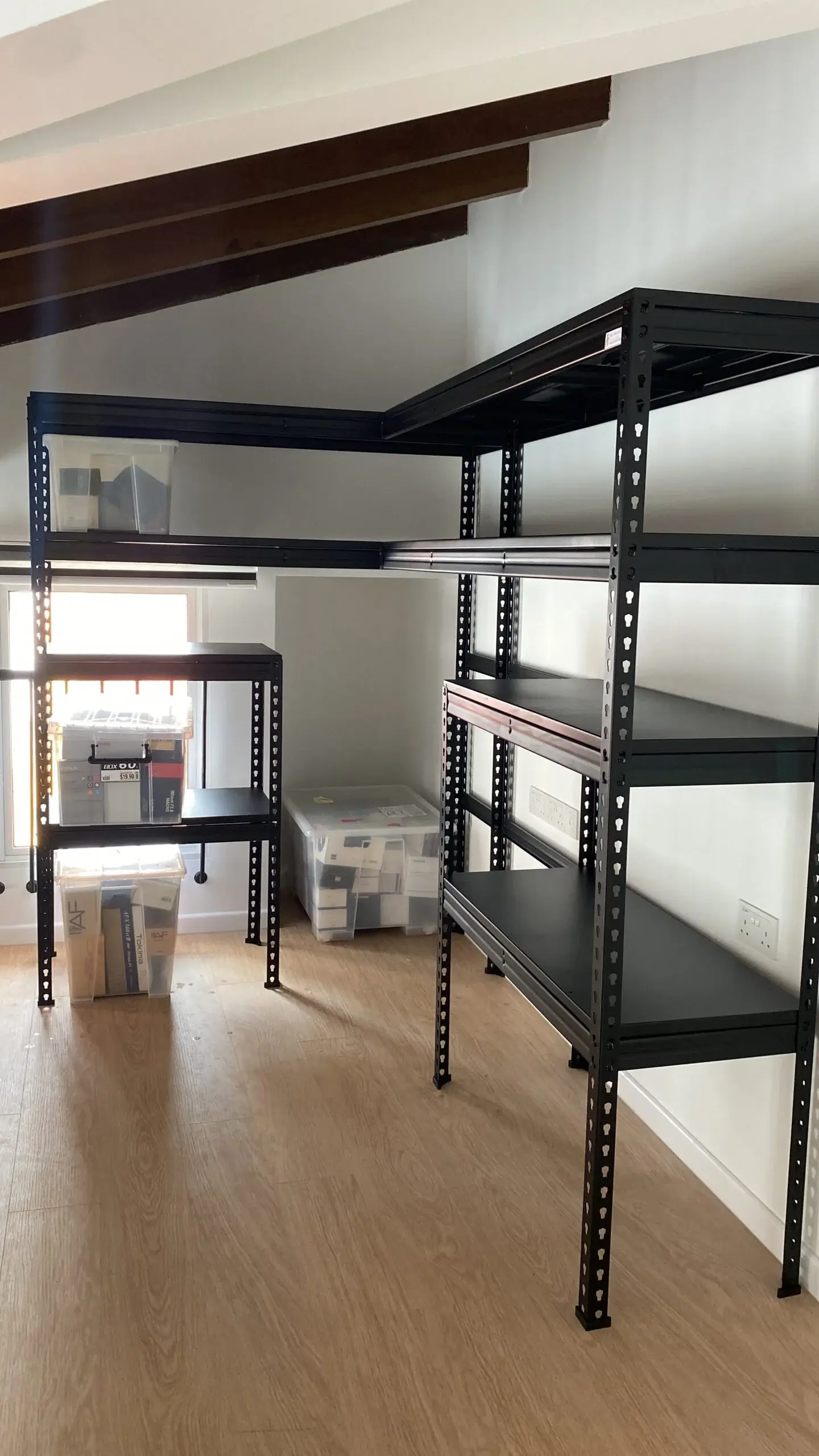
Boltless racks are popular due to their easy installation and flexibility. They are suitable for light to medium-duty storage and are commonly used in storerooms, offices, retail spaces, and homes.
Heavy-Duty Warehouse Racking
Heavy-duty warehouse racking systems are built for large loads and industrial use. These systems support pallets, machinery, and bulk inventory, making them ideal for warehouses and factories.
Longspan Storage Racks
Longspan racks are designed for storing long or bulky items. They offer wide shelving spans and are suitable for warehouses handling mixed or oversized goods.
Custom Warehouse Racking Solutions
Custom warehouse racking system design is often required when dealing with unique layouts, ceiling heights, or specialized storage needs.
Warehouse Racking System Design: Key Considerations
Effective warehouse racking system design is not just about fitting racks into a space. It requires planning to ensure safety, efficiency, and future scalability.
Important design factors include:
-
- Load capacity: Ensure racks can handle the weight of stored items
-
- Aisle width: Allow safe movement of workers and equipment
-
- Floor strength: Confirm the floor can support loaded racks
-
- Vertical clearance: Make full use of ceiling height safely
-
- Future expansion: Design with flexibility for business growth
Professional planning ensures your warehouse racking system remains efficient as storage needs evolve.
Safety Rules for Warehouse Racking Systems
Safety is a critical aspect of warehouse racking Singapore businesses must follow. Improperly installed or overloaded racks can lead to accidents and inventory damage.
Basic warehouse racking safety rules include:
-
- Clearly display load limits on storage racks
-
- Avoid overloading shelves beyond rated capacity
-
- Secure racks properly to prevent tipping
-
- Keep aisles clear at all times
-
- Train staff on safe loading and unloading practices
Following safety guidelines helps protect workers and extends the lifespan of your storage racks.
How to Inspect and Maintain Warehouse Racking
Regular inspection is essential to maintain a safe warehouse racking system. Even durable storage racks can weaken over time due to impact or overloading.
Key inspection practices include:
-
- Check for bent or damaged uprights and beams
-
- Look for loose or missing components
-
- Inspect shelves for cracks or deformation
-
- Ensure racks remain level and stable
Routine maintenance and timely repairs reduce the risk of accidents and costly disruptions.
Choosing the Right Warehouse Racking System
Selecting the right warehouse racking system Singapore businesses rely on depends on several factors:
-
- Type of goods being stored
-
- Storage volume and turnover rate
-
- Available warehouse space
-
- Budget and long-term storage plans
Working with an experienced supplier helps ensure the system meets operational and safety requirements.
Final Thoughts
A well-planned warehouse racking system Singapore operations depend on is more than just shelving it is a strategic investment in efficiency, safety, and growth. From proper warehouse racking system design to regular inspection and maintenance, every element plays a role in long-term storage performance.
Whether you manage a large warehouse, run a growing business, or need reliable storage racks for home use, choosing the right warehouse racking solution ensures your space remains organized, safe, and future-ready.
Frequently Asked Questions
What is a racking system for a warehouse?
A warehouse racking system is a structured storage solution that allows goods to be stored vertically and organised efficiently. It helps warehouses maximise space, improve inventory access, and maintain safe storage conditions.
What are the rules for warehouse shelving?
Warehouse shelving must be installed on a stable surface, clearly marked with load limits, and not overloaded. Regular inspections and proper staff handling are essential to maintain safety and compliance.
What are the benefits of a racking system?
A racking system improves space utilization, enhances workplace safety, and supports better inventory management. It also helps reduce handling time and keeps storage areas organized.
What type of racking system is best for my operation?
The best system depends on the type of goods stored, load weight, and available space. A well-planned warehouse racking system design ensures efficient storage while allowing for future expansion.
What is the difference between racking and shelving?
Racking systems are designed for heavier loads and industrial use, while shelving is typically used for lighter items. Racking is commonly found in warehouses, whereas shelving is often used in offices and retail spaces.
What is the purpose of a storage rack?
The purpose of a storage rack is to store goods safely while making efficient use of available space. Storage racks help organise items, improve accessibility, and support safe handling practices.
What are the racks in warehouses called?
Racks used in warehouses are commonly referred to as storage racks or warehouse racking systems. These include boltless racks, pallet racks, and heavy-duty racking, depending on storage needs.
How does a warehouse racking system improve safety?
A properly installed warehouse racking system reduces clutter and prevents unstable stacking of goods. Clear load ratings and regular inspections help minimise the risk of accidents.
How often should warehouse racking be inspected?
Warehouse racking should be visually inspected regularly and checked more thoroughly at scheduled intervals. Inspections help identify damage early and maintain safe storage conditions.
Can warehouse racking systems be customised?
Yes, warehouse racking systems can be customised to suit different layouts, ceiling heights, and load requirements. Custom solutions are often used when standard storage racks do not meet operational needs.